
Student support: accessibility and reasonable adjustments
We’re committed to being inclusive and accessible to all students in every aspect of student life.
Your student support team
Your student support team will be there to support you with getting reasonable adjustments in place, if any of the following are affecting your studies:
- disability
- physical differences (such as the use of walking aids)
- sensory differences (d/Deaf or Blind / Visually Impaired)
- learning differences (such as dyslexia)
- neurodivergence (such as ADHD or ASC)
- long-term health conditions
- mental health conditions
- menopause
- pregnancy
Meet the team
Your student support team work closely with other teams and departments across the Trust, with the aim of providing as seamless a support experience as possible. We work particularly closely with academic staff, estates, digital education and library services, and course administration.
-
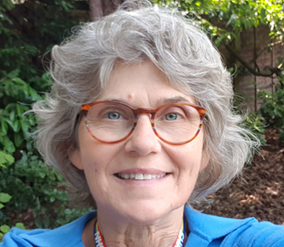
Sara Riley
Student Disability Advisor
-

Rebecca Bouckley
Student Support and Engagement Manager
-

Elizabeth Tracey
Student Support Coordinator
-
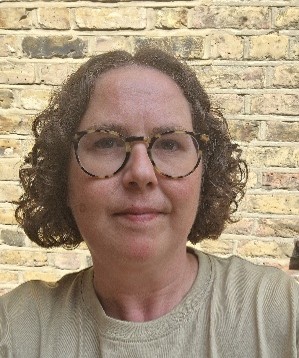
Isabelle Bratt
Head of Operations
Managing your reasonable adjustments
You can decide what you need, what information to share and when. You can also choose whether to share your needs with course teams.
Sharing with us
You can share your accessibility requirements:
- before your studies – on your application or enrolment form
- during your studies – by telling us online using MyTAP
Please tell us if you need help completing the form.
The earlier you share the better, as it helps us set up support before your course starts. If you share during your application, we can put adjustments in place for your interview, if needed.
Completing the form
- On the form, you will be asked for information about yourself. This will then inform the type of support we offer. We ask that you provide us with as much information as possible. This is stored confidentially, and only viewed by the student support team and disability support librarian.
- If you have supporting documentation, you can also upload this securely. (See documentation section below).
- You will be asked if you want to share your information with the course team (on a need-to-know basis). Please note that not sharing your information with the course team will limit the support we can put in place.
Once you have submitted the form, you will receive a welcome email from the student support team, with some general information.
Optional meeting with the student disability adviser
As part of your Reasonable Adjustment request you will be asked if you want to meet with the disability adviser. We particularly recommend that you have a meeting in the following circumstances:
- you are not sure what adjustments might help you
- you are asking for adjustments that are not listed on the request form
- your circumstances are particularly complex
- you feel you would benefit from having a supportive discussion with them
You can contact us to request a meeting at any stage of your student journey, if the support you have in place isn’t working, or if circumstances change.
What happens in the meeting
If you request a meeting or are invited to one, your disability adviser (DA) will review the information you have provided via your MyTAP Portal or email, and will discuss your reasonable adjustments with you.
The DA may need to carry out a needs assessment with you. This is a conversation where they ask about your experiences, circumstances and how these affect your learning, so they can recommend the right support. They may ask about your studies, any barriers you face or have faced in the past, and what has helped you before. You’re welcome to bring any relevant information or examples, but you don’t need to prepare anything in advance.
If you may be eligible for Disabled Students’ Allowance, the DA will discuss your DSA application and offer you advice and support to complete it.
You may also discuss access to work arrangements and placements where relevant.
Types of reasonable adjustments
We try to provide universal support that helps everyone. This includes free printing, providing lecture slides in an editable format before the lecture, personal tutorials, accessibility features in Moodle and quiet spaces around the building.
If you require extra support, we will consider any reasonable request and do our best to help.
We have a list of common reasonable adjustments that are easy to arrange and can be put in place more quickly. If your request is not on this list, or is more complex, a panel will review it and let you know if it is possible. You’ll find the list of standard adjustments on your MyTAP portal. Examples include:
- a personal emergency evacuation plan (PEEP) to help you safely leave the building in an emergency
- specialist equipment, such as specialist chairs
- lecture notes or permission to record lectures. Recording sessions will be bound by the Trust’s educational recordings policy and the terms and conditions of study. Other students must not be recorded.
- modifying an assessment (for example, a presentation instead of an essay) so that you can demonstrate the learning outcomes in a different way.
- a sensitive marking cover sheet
- additional tutorials for some courses
All reasonable adjustments can be discussed with the DA via email or during your meeting with them.
What happens next
You will receive your student accessibility passport, which will serve as the agreement of reasonable adjustments. You can share this passport with any staff member you wish, so that you do not have to repeat yourself or where clarification is needed.
Changing your reasonable adjustments
You can amend or add to your reasonable adjustments by requesting this via MyTAP or by contacting your Disability Adviser.
Documentation and Information
This information should be read alongside the student reasonable adjustments policy.
Our approach: “Yes First”
We want to support you as quickly as possible. That means we do not require evidence before putting reasonable adjustments in place.
Your own account of your symptoms, barriers and how they affect your learning is usually enough for us to get started.
If additional information would help us tailor your support, we may ask for it later, but we will never delay or withhold support while you gather documentation.
Read more about documentation
When documentation can be helpful
Documentation can help us:
- Understand your needs in more detail
- Tailor adjustments to ensure they are proportionate and effective
- Support applications for external funding such as DSA
But it is not a requirement for receiving reasonable adjustments.
Documentation that can help us tailor your support
We recognise that getting formal evidence can be difficult, expensive, or distressing. That’s why we take a flexible approach and accept a wide range of documentation, including:
- Your own description of your condition, symptoms and how they affect your studies
- Information from professionals involved in your care (GPs, specialists, counsellors, therapists)
- Existing reports such as DSA assessments, educational psychologist reports or screening assessments
- Emails or letters from qualified professionals, including from official email domains
- Information from staff who know you in an academic or pastoral capacity, where this helps us understand the barriers you are experiencing. This is part of our duty to act on the information available to us.
You do not need a diagnosis for us to provide support.
What makes documentation most useful:
In order to ensure your support is reasonable, proportionate and effective, we need to understand:
- How your condition affects daily life
- How it impacts studies (e.g., concentration, processing information, fatigue)
- Whether symptoms are ongoing, fluctuating, or recurring
- Any medication side effects that affect your studies
Pregnancy
If you are pregnant, you are entitled to reasonable adjustments to keep you safe and supported. You do not need to provide evidence before adjustments are put in place.
If you experience pregnancy-related conditions and would like adjustments that depend on clinical information (e.g., mobility issues, lifting restrictions), you are welcome to share information from your midwife, nurse or doctor. However, this is optional and should not delay support.
Please see our pregnancy and maternity procedure for further details.
If your support needs change
If your symptoms flare up or your adjustments stop working, you can:
- Request a review of your adjustments
- Apply for extenuating circumstances through your MyTAP portal. If you’ve already provided evidence to our team – you won’t need to provide evidence again.
Disability funding
We strongly advise you to begin your Disabled Student Allowance (DSA) application as soon as possible, as waiting times can be more than 14 weeks. You can only apply for a DSA if you are registered on a university-accredited course.
As part of our financial support, we have a disability fund, if additional costs are incurred by you due to your disability or condition.
If you need urgent help
If you have a flare-up of your condition, your condition deteriorates suddenly, or you are newly diagnosed with a health condition or disability, we would urge you to contact us at the first opportunity to discuss your situation and your options. You can also visit our extenuating circumstances webpage, if you have upcoming assessments.
Please note that we are not a crisis service. If you are in a situation where you need immediate help or medical and mental health support, please contact your GP or care team, call NHS 111, or in emergencies dial 999. If you are worried about harming yourself or others please dial 999 or call the Samaritans on 116 123.
Useful links
Confidentiality
Learn more about how we manage your personal data in relation to reasonable adjustments.
Disabled users services
Explore library services for disabled members and members with learning difficulties.
Student and trainee groups
Learn more about our Disabled Student and Trainee Group, led by Jason Maldonado-Page.