



Establishing safety in therapy
How do you create a safe space in therapy? In this article and video, leading trauma expert Dr Joanne Stubley shares practical tips on establishing safety from the very first appointment.
 Joanne Stubley
 This video and supporting text feature in our new online course, An introduction to complex trauma (DAA040), which has been developed with our award-winning trauma service and an advisory panel of people with lived experience.
When an individual comes for their first appointment for therapy, it is really important to recognise how much anxiety this is likely to cause. They will have often had to wait a long time to get this appointment and will have all kinds of hopes and fears attached to it.
A holistic, trauma-informed approach to safety starts long before the moment I actually meet them. It should include the communication they receive from the organisation, which should be clear and transparent about what is being offered.
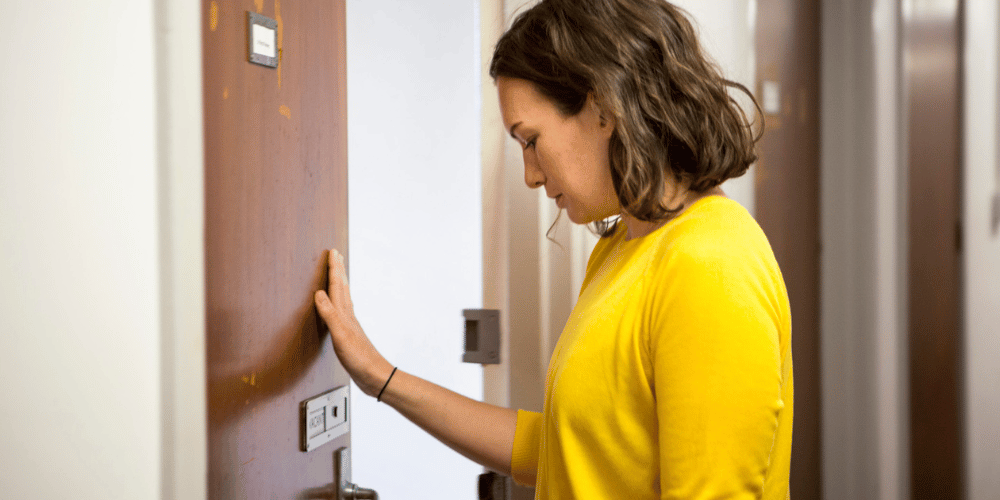
The experience of walking into the building should also be considered – does it feel welcoming, safe, clean? Even the structure of the building itself can reduce the sense of safety – long corridors, with doors all shut, poor lighting and little signage can be really difficult for someone who has been traumatised.
Some of these things may feel outside the professional’s control but little things can really make a difference. For instance, a receptionist who smiles and says hello, a waiting room that has fresh flowers and something to read, a letter or email that gives clear directions on where to go, can all help foster a sense of safety.
In my room, I consider the following in relation to the physical environment:
- a choice of chairs
- water to drink
- tissues on hand if needed
- lighting that is not too bright
- pleasant decorations which might include cushions and a rug if needed
- grounding tools such as small spiky stress balls available
- an engagement sign on the door.
The way I greet someone if they are in the waiting room is to say my name rather than theirs to protect confidentiality. Then, when we are in the room, I check what they would like me to call them before repeating my name. I try to approach them in a friendly, ordinary manner, noticing carefully where they might be on the window of tolerance.
I begin by giving an outline of how much time we have and what the likely steps are after this meeting. I may pause briefly to see if they have anything they want to say. Too much silence at this stage can feel overwhelming, so I will often begin by asking where they feel it might be helpful to start.
Although this can be disconcerting for some, it is also a moment in which I am attempting to be alongside the individual, seeing what is on their mind and following this rather than having my own agenda for how to begin.
If they struggle, I might acknowledge how difficult this can be and see what I can do to support them to begin.
Ultimately, I think the biggest thing is to try to find a way for the person to begin to explore whether I am a safe person to be with, and I recognise this takes time and will be different for everyone.
Establishing a good working relationship is the best way to establish safety and it is really important to recognise this takes time – we have to demonstrate our own trustworthiness.
It might be important to also say now that safety might occasionally mean having to think about safeguarding – does this person need formal, external support to be safe in their own lives? Often this means the trauma is ongoing, for example they are still in a violent relationship, or they are being stalked by an ex-partner.
The principles of trauma-informed care still apply here – working alongside the individual to try to address this, but it may also require reflection and advice from the team and potentially the safeguarding leads. It is important to balance action with reflection as much as is possible. Whilst recognising the need to not take power away from the individual, safeguarding may mean action is necessary to prevent further harm.
Creating a safe space during therapy is ultimately about trust, and everything from the physical environment and building a rapport, to being culturally sensitive and informed, plays a part in creating that safe space.
Intrigued? Learn more
If you work with people who have experienced complex trauma, our new online course, An introduction to complex trauma (DAA040), is for you. Informed by psychoanalytic theory and lived experience, it opens for bookings in April 2026.
Related courses
-
 CPD certificate
An introduction to complex trauma (DAA040)
-
 Professional certificate
Complex Trauma: The Tavistock Model (D19)
-
CPD certificate

Narrative and community approaches to trauma (CPD61)
-
CPD certificate

Trauma-informed care: from theory to practice (DAB004)
-
CPD certificate

Trauma-informed care: using trauma awareness to enhance everyday practice (CPD31)