




Attachment and Relational Complex Trauma
Explore the work of the Tavistock Trauma Service at our one-day conference
Bookings for this conference have now closed.
Join us for a one-day conference exploring the latest clinical work of the Tavistock Trauma Service, a non-diagnostic, multi-modal complex trauma service held in a psychoanalytic frame. Through a series of engaging presentations and break-out discussions, we will develop your understanding of complex trauma and consider how our distinctive model of care may be applied in your own setting.
Who is this conference for?
This conference is open to all professionals working with complex trauma, including:
- Health care (NHS mental health trusts, CAMHS, trauma services)
- The disciplines of psychology, psychiatry and psychotherapy
- Social care, safeguarding and statutory services
- Charities and voluntary organisations
- Counselling services
- Probation services
- Private practice
- Education
- Refugee or displaced people support
- Psychotherapists
- Art and drama therapists
- Body based or yoga therapists
- Clinical psychologists
- Psychiatrists
- Psychoanalysts
- Therapists (family)
- Counsellors
- Mental Health professionals
- Social workers (senior)
- Safeguarding leads
- Substance misuse specialists
- Educational psychologists, SENCOs, behavioural leads
- Youth offending clinicians
- Bereavement support workers
- Fostering and adoption consultants
- Local authority trauma leads, supervisors
What will you learn?
By attending this conference, you will:
- improve your understanding of complex trauma from a variety of modalities and perspectives on offer with the Tavistock Trauma Service – including an adapted trauma-informed psychoanalytic approach, art therapy, trauma-focused mentalisation therapy and trauma yoga
- understand the model of the Tavistock Trauma Service, which offers personalised packages of care with individual and group work
- consider how this model may be applied to your own setting through group spaces within the conference
- recognise the importance of a survivor-centred approach in therapeutic work through the incorporation of peer supporters within teams.
Conference programme
The conference will take place on Friday 10 July 2026, and the outline programme is as follows.
Bookings closed on Monday 6rd July at 9am
| Time | Activity |
|---|---|
| 9.30am | Registration |
| 10am | Welcome and introduction |
| 10.15am | The Tavistock model – Jo Stubley |
| 10.45am | Presentation 1: The women’s group ‘This is not an easy or fun experience, but neither was what we went through’ – Patient’s account of their journey in the NRCSA Women’s group. This presentation will describe a women’s therapeutic group co-facilitated by a peer supporter with lived experience. Presenters – Ana Dulce Reis, Yael Gur Marian, Joanna Hahessy |
| 11.20am | Break |
| 11.40am | Presentation 2: When the Body Speaks: Embodiment, Attachment and Group Process in Trauma Therapy This presentation explores a trauma-informed yoga group as a relational rather than exercise-based intervention. We will outline aspects of the group whilst considering what happens when trauma survivors are invited to inhabit their bodies in the presence of others. Drawing on psychodynamic and attachment perspectives, we examine how embodied experience, unconscious relational processes and group dynamics emerge through shared practice. Presenters – Grace Parkyn & Johanna Andersson |
| 12.15pm | Small group discussions |
| 1pm | Lunch |
| 1.40pm | Presentation 3: Working with DID With the growing recognition of the prevalence of dissociative identity disorder, it has become necessary to be able to recognize and work with this condition in whatever setting you are in. This lecture will cover aspects of diagnosis, stabilisation and therapeutic interventions, using case material. Presenter – Jo Stubley |
| 2.15pm | Presentation 4: Trauma-Focused MBT: Phases, Enactments and Learning from Others After providing a brief overview of some of the theory of Trauma-Focused Mentalization Based Therapy, we will discuss its application to therapeutic groups we’ve run in the Trauma Service. We will focus on our experience of supporting people to elaborate their history of trauma to others, the inevitable enactments that occur during the different phases of this group work, and how learning from others can be a vital – yet painful – task in moving forwards following traumatic events. Presenters – Lisa Shaverin, Emily Mercer, Adam Flintoff Chaired by Jo Stubley |
| 2.50pm | Small group discussions |
| 3.35pm | Break |
| 3.55pm | Presentation 5: The role of the medium – On art psychotherapy with attachment and complex trauma. “The role of the medium – On art psychotherapy with attachment and complex trauma”. This talk will explore the “role of the medium” as thought about by Marion Milner and its functions in art psychotherapy with particular focus on attachment and complex trauma presentations. Presenter – Ines Mota |
| 4.30pm | Plenary |
| 5pm | Close |
At the end of the day there will be an opportunity to visit the Art Exhibition mounted by Tavistock Trauma Service service users.
Please note: this conference will be delivered in-person only and will not be recorded.
Testimonials from previous conferences
“The whole day was so inspiring. It was so interesting to hear what this fabulous team at the Tavistock are doing to improve the experience for their service users. It really felt that the team we saw were deeply passionate about exploring possibilities and learning and building. I haven’t felt this inspired in a VERY long time.”
“It was really insightful to hear about the different modalities incorporated within the service, especially the Expert by Experience invaluable service and the yoga4all.”
“Complex trauma is a very important clinical phenomenon that can significantly affect our patient’s quality of life, and having specific training is a fundamental component. Working on it at the Tavistock means maintaining not only a psychoanalytic perspective, but also a group and collective understanding of what it represents. The speakers and organizations are excellent . A truly formative experience.”
“It’s a very worthwhile conference to attend as you get an opportunity to learn from various practitioners’ experiences and expertise on working in a trauma-informed way. It’s encouraging to hear what is being done in different contexts and what can be considered and adapted to your contexts.”
Conference venue
The conference will take place in person at: The Tavistock Centre, 120 Belsize Lane, London, NW3 5BA.
The what3words for this location is ///vote.square.fans
You can travel to The Tavistock Centre by underground, overground, bus or car, with further information available on our website. Please also check the TfL website for travel updates before starting your journey.
Conference speakers
-
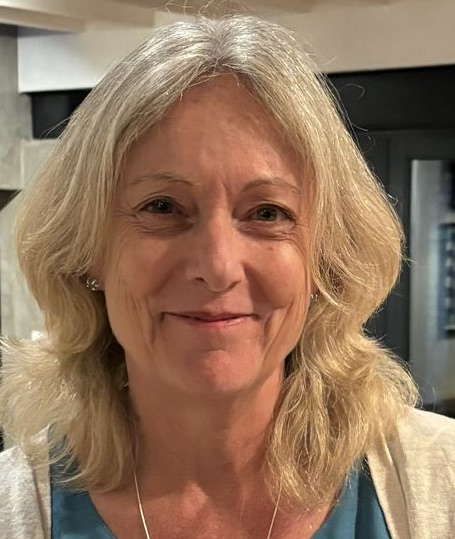
Joanne Stubley
Consultant Medical Psychotherapist and Psychoanalyst